

.
Close
About Sakatti
Read more
Latest annual report
Mega Nav Image
Latest annual report
Mega Nav Image
The Difference Makers
Mega Nav Image
The Difference Makers
Mega Nav Image
$name
Mega Nav Image
A world-class portfolio
Mega Nav Image
Sustainability
Read more
Q3 2018 PRODUCTION REPORT
Mega Nav Image
How to become a supplier
Mega Nav Image
Main Content
Gradient background image

Taking Natural Values into Account - Towards More Responsible Mining

At Sakatti, responsible mining is based on a four-step mitigation hierarchy. In project planning, the primary objective is to avoid environmental impacts by selecting the project implementation option with the least environmental effects. Impacts that cannot be avoided are mitigated through measures such as technical solutions.

If, despite mitigation measures, mining activities still result in environmental impacts, the affected areas will be restored once operations end, with the aim of returning them as close as possible to their natural state. As a last resort, compensatory measures are implemented to enhance biodiversity elsewhere.

Anglo American, the parent company, has adopted a principle of achieving a Net Positive Impact (NPI) on biodiversity across all new projects and operating mines. This means a situation where human activities deliver more benefits to biodiversity than harm. At the Sakatti Project, work is also underway to assess how biodiversity as a whole—covering species, habitats, and genetic diversity—can be improved.
Voluntary Ecological Compensation

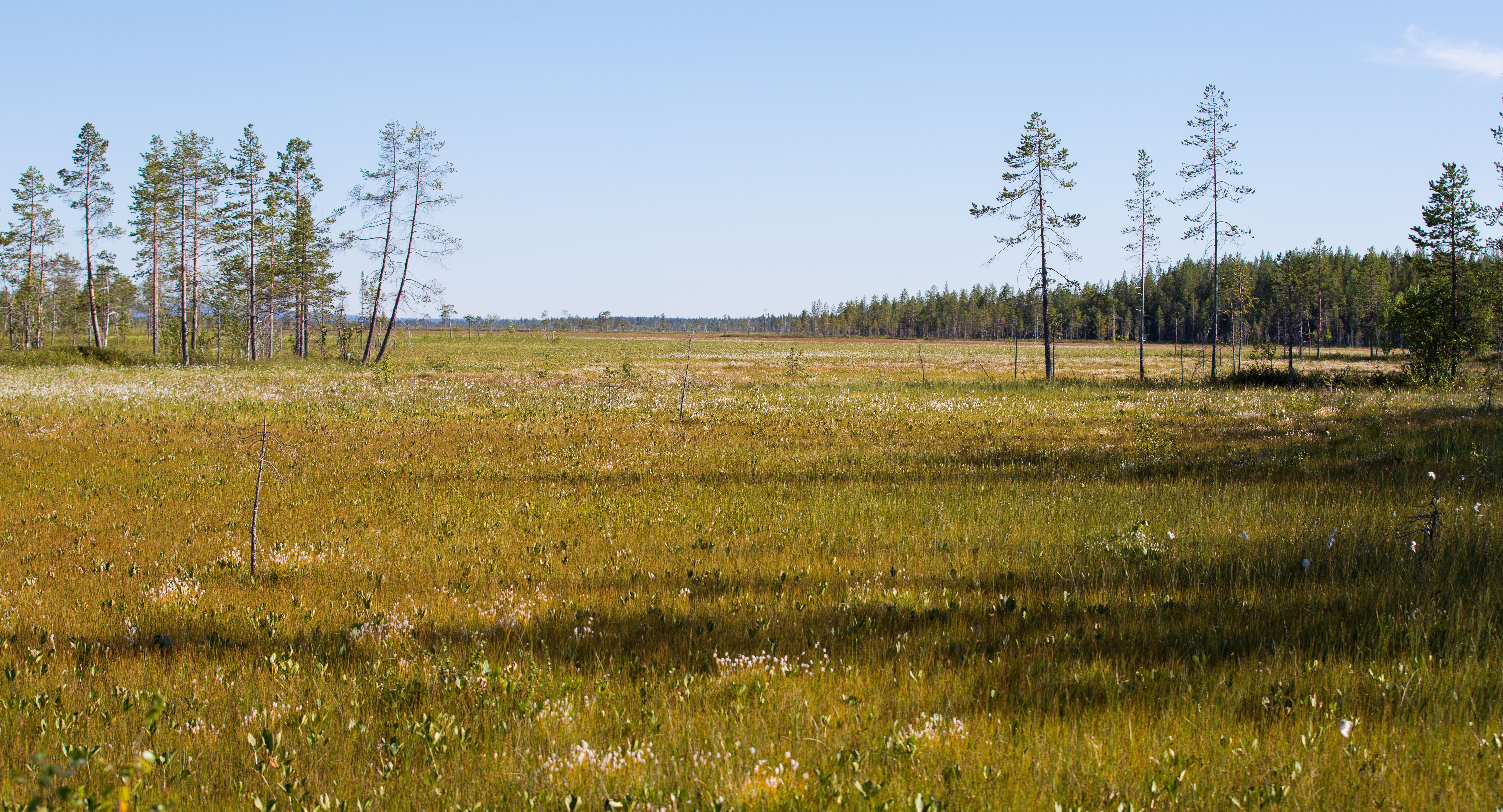
Anglo American launched voluntary ecological compensation for the Sakatti Project in 2022 by acquiring and protecting nearly 3,000 hectares of old-growth forest in Inari. The area compensates for the loss of commercially managed forest caused by the mine outside the protected area and remains Finland's largest voluntary ecological compensation to date.

The industrial site of the planned Sakatti mine will also have impacts on mires located outside the protected area. These losses will likewise be compensated on a voluntary basis. Compensatory areas are primarily being sought within the Sodankylä region.

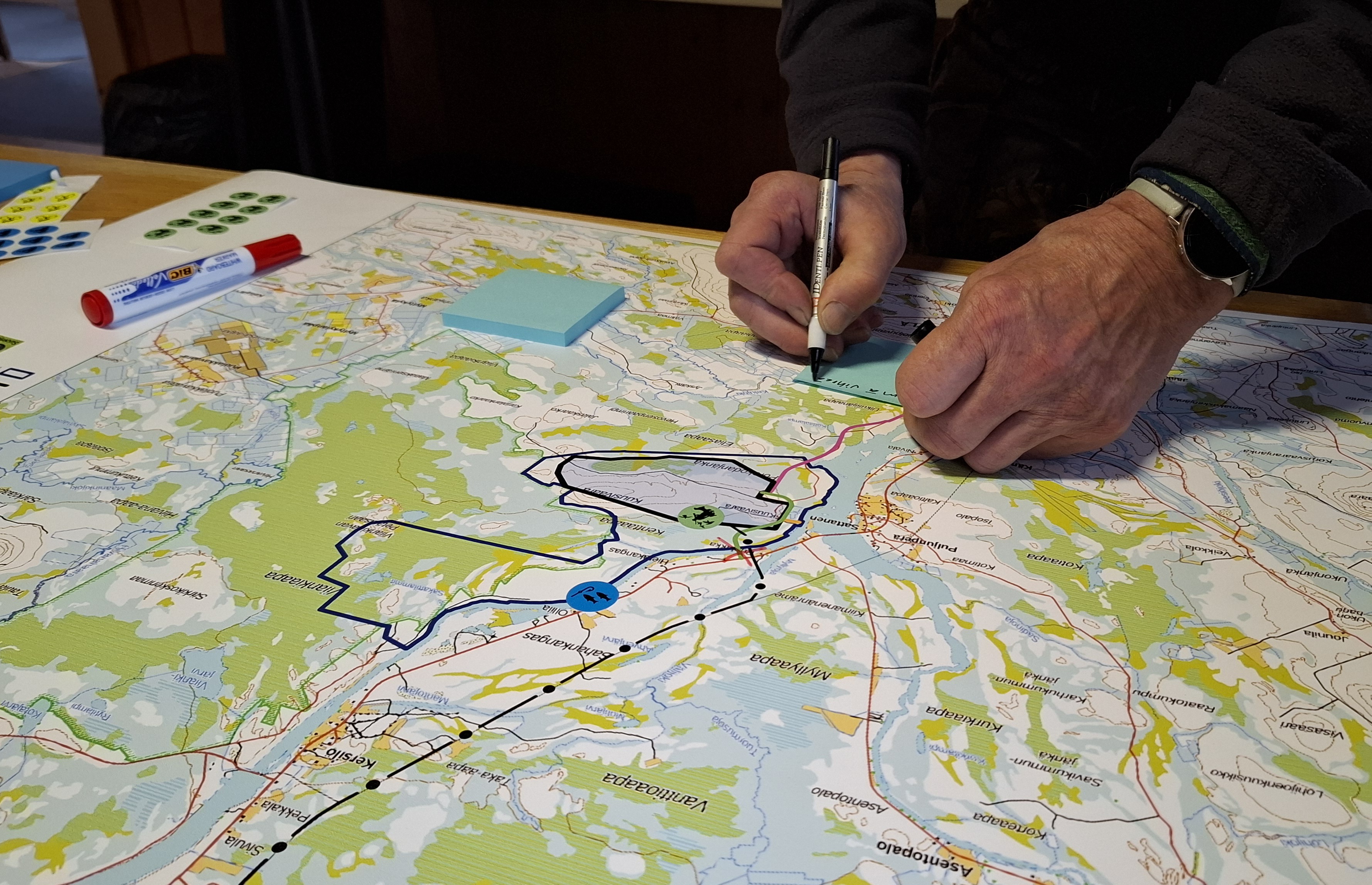
Voluntary ecological compensation also includes the compensation of ecosystem services, meaning the benefits that nature provides to people. We consider it important that local residents in areas affected by the project have the opportunity to participate in planning compensation for ecosystem services. Potential compensation measures were first explored during the Environmental Impact Assessment (EIA) process and revisited in 2025 through ecosystem service workshops, where residents were able to identify ecosystem services important to them on maps and discuss ways to compensate for potential impacts.

Sakatti Forest Compensation Nature Reserve

Learn more

Compensatory Measures and Species-Specific Offsets as Part of Ecological Compensation

Progress of the Sakatti Project within the permitting processes requires approval from the FinnishGovernment for the project and its associated land-use plan. To proceed, the planned Sakatti mine requires a derogation from Natura 2000 protection. The company is currently preparing a compensatory measures plan to support the Natura derogation application.

Within the project's area of influence outside Natura sites, a small number of protected species are also present. Any adverse impacts on these species must be offset as part of ecological compensation.

We will provide more detailed information on the compensation plan once it has been finalized.