


Minimising Impacts on Nature: A Low-Waste and Low-Carbon Mine of Tomorrow
18 June, 2026
Waste management and the utilisation of by-products have been carefully planned in the design of the Sakatti mine. The mine has also been designed to be low carbon, supporting the company’s goal of achieving carbon neutrality by 2040.
In our previous article, we described how the environmental impacts of the Sakatti mine are being reduced using extensive baseline data, modelling, and technological solutions. In this article, we explain how minimising waste, waste management, the utilisation of by-products, as well as water treatment and water recycling contribute to reducing the environmental impacts of mining operations.
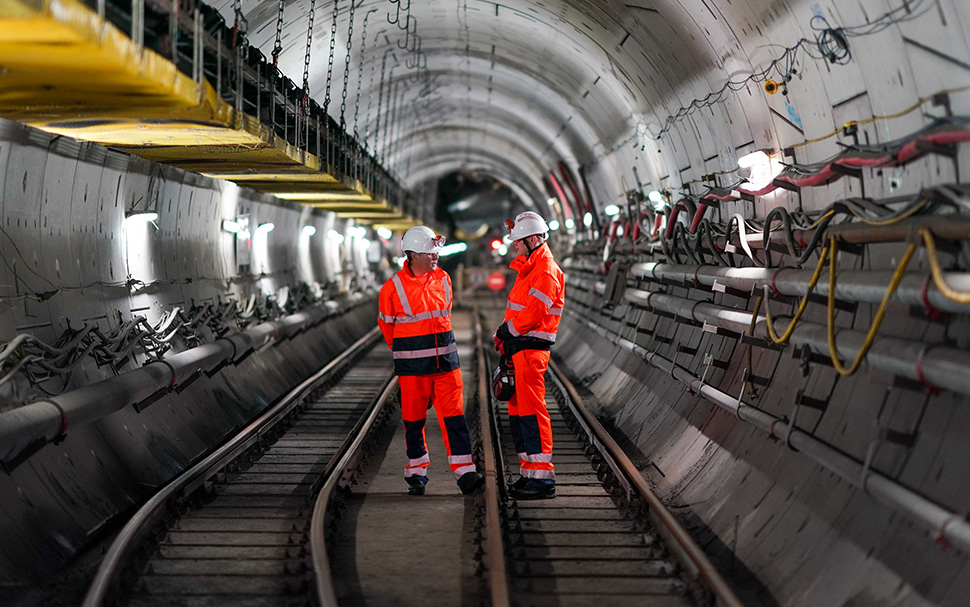
The planned Sakatti mine is an underground mine with a relatively small environmental footprint compared with an open-pit mine.
Rich Ore Deposit – Less Mining Waste
The Sakatti deposit is exceptional due to its high metal grades, enabling more ore to be produced with less extraction. As a result, less mining waste is generated than is typical.
At the planned Sakatti mine, most of the waste rock generated during mining will be returned underground and used, for example, in mine backfilling and tunnel construction. Mine backfilling reduces dust and the need for above-ground storage areas while also reducing impacts on the landscape. In addition, it improves the structural stability of the mine.
Backfilling also uses a mixture produced at a paste plant to fill underground excavations. This paste fill, consisting of tailings, water, and a binding agent, is used to support excavations and stabilise their walls. This reduces the accumulation of water in empty excavations, which is a key part of water management. It also reduces the amount of tailings requiring disposal in the tailings storage area.
However, not all excavated areas, such as access routes, ventilation tunnels, and production levels, can be backfilled during the mine’s operational life because they remain in use.
Waste rock suitable for construction can be utilised, for example, in road construction. Low-sulphide tailings remaining after paste backfilling will be filtered and deposited in the tailings storage area.
In dry stacking, water is removed from the tailings before deposition. This reduces the need for impoundment structures, improves the geotechnical stability of the area, and significantly lowers dam safety risks. It also means that less land area is required for tailings storage.
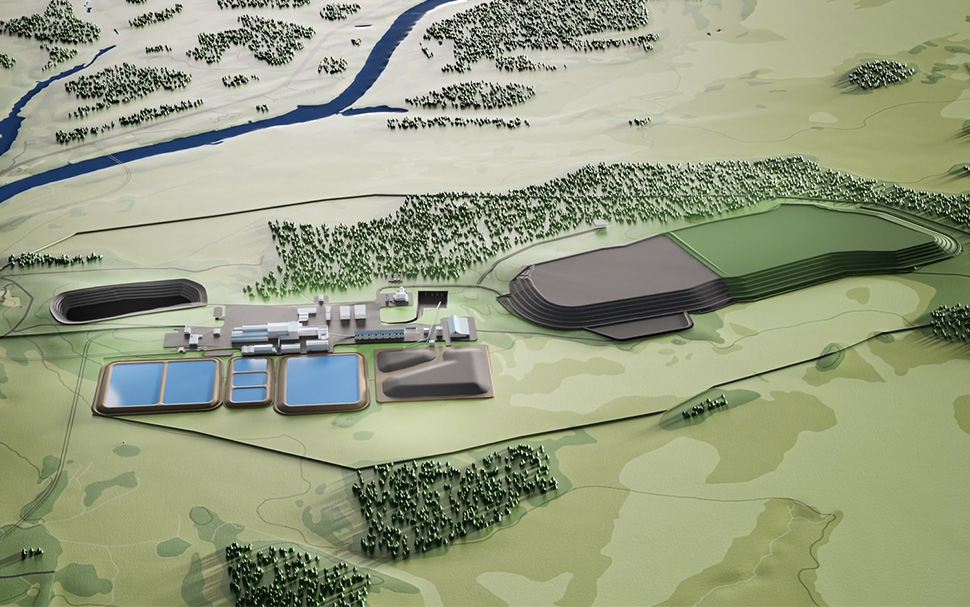
The deposition area for filtered tailings (shown on the right in the picture) in the planned concentration area will be progressively rehabilitated during the operational phase of the mine.
By-Products Will Be Utilised
The Sakatti mine aims to utilise production by-products as extensively as possible. By-products include all substances, materials, and fractions generated during the mine’s production process alongside the main concentrates. They are not primary products, but they may have economic value and utilizing them can help reduce environmental impacts.
Examples of by-products include waste rock generated during mining, tailings produced during ore processing, and waters containing metals or chemicals. They also include energy and heat flows, as well as other materials that can be utilized as by-products, such as limestone, sand, and industrial minerals.
By-products are utilised within a circular economy framework, improving the mine’s material efficiency. Overall, considering by-products is a key component of responsible mine planning and permitting processes.
The Sakatti Project is currently exploring opportunities for the further processing of by-products in cooperation with partners.
Water Will Be Treated and Recycled Efficiently
Sakatti is an underground mine, meaning it has a relatively small environmental footprint compared with an open-pit mine. The amount of seepage water entering the mine will be minimized, and the volume of contact water will be lower than in an open-pit operation.
Similarly, the deposition of filtered tailings improves water management.
Water treatment has been designed so that the water quality of the nearby Kitinen River will not deteriorate.
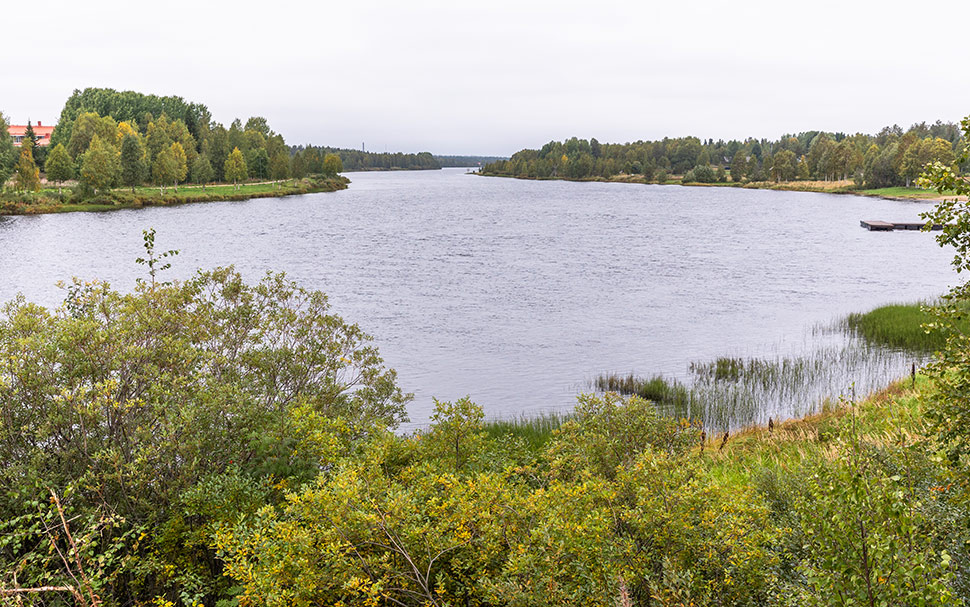
The Kitinen River as seen in the centre of Sodankylä.
Efficient Mining Methods and Low Waste Generation Mean Lower Emissions
Mining operations inevitably generate emissions in ore processing, heating, and transportation. Emissions can be managed and the carbon footprint reduced through a variety of energy solutions, including the use of renewable energy. For example, replacing diesel with renewable energy is one of the company’s group-wide objectives covering all mining operations.
Efficient mining methods, efforts to minimise mining waste, transport optimisation, and automation- and AI-assisted operations also help reduce emissions.
The goal is to work closely with the partner network to reduce emissions throughout the supply chain and transportation activities.
The aim of the Sakatti mine is to produce minerals needed for the emission-free solutions of the future. Among Sakatti’s metals, demand for copper is expected to grow in an increasingly electrified society that relies on clean energy and advanced technologies.
Read More on Our Website:
Minimising Impacts on Nature: Reducing the Environmental Footprint Through Extensive Modelling and Technological Solutions
https://finland.angloamerican.com/en/sustainability/environment/ecological-compensation